Villages take over the counter as community-run post offices pass 400
Volunteers and parish councils are keeping services alive in places where the last shop has closed, but many say the £7,000 a year they receive barely covers the heating
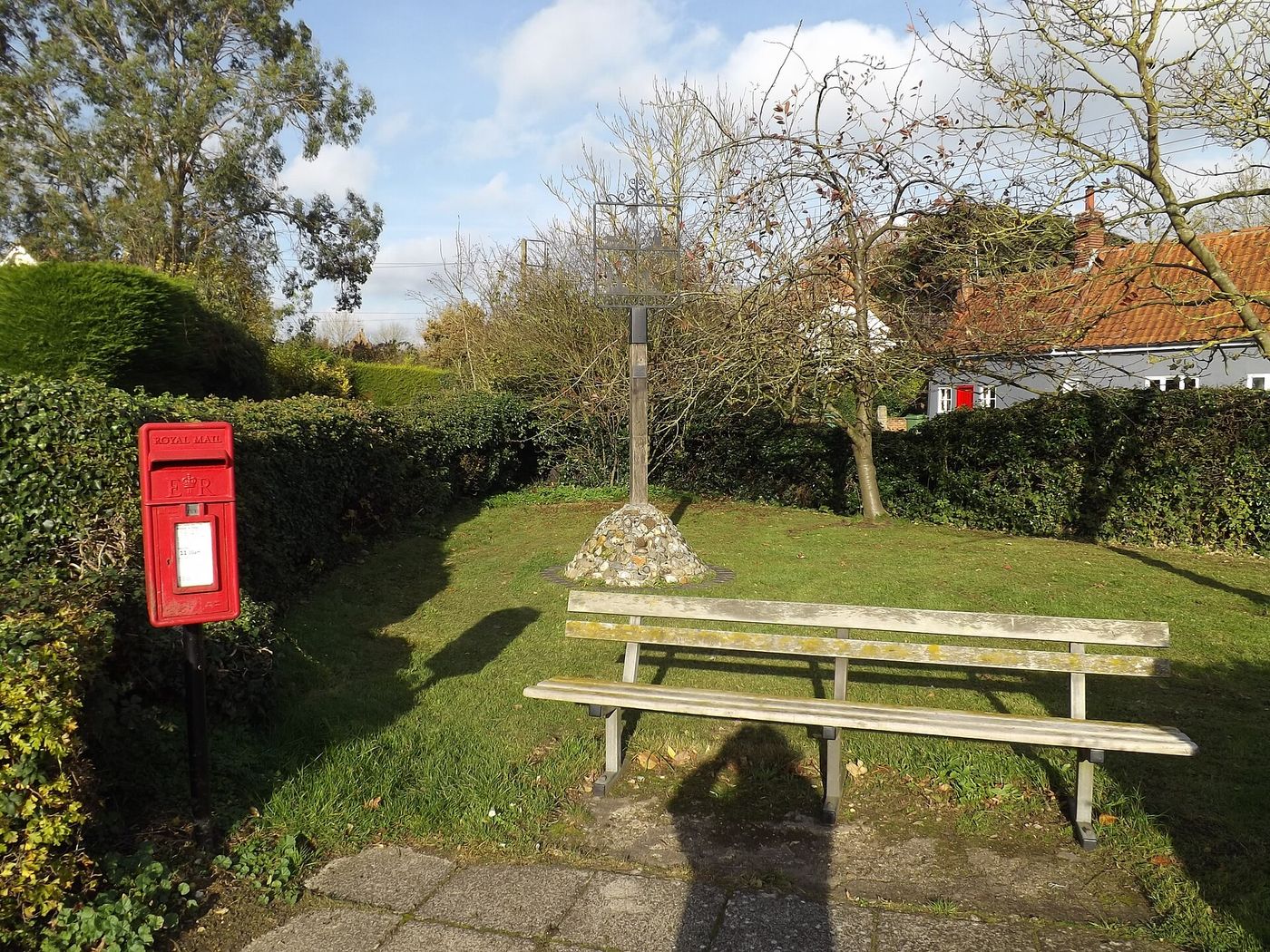
More than 400 post offices in Britain are now run by volunteers, parish councils or community shops, the Post Office confirmed this week, a figure that has doubled in four years as commercial postmasters hand back their contracts and villages decide they would rather staff a counter themselves than lose it.
The 412 community-run branches handle about 2% of the network’s transactions but serve some of its most isolated customers, including 90 villages where the post office is the only remaining shop. Most operate from church halls, pubs, village halls and converted phone boxes, open for between six and 20 hours a week.
In Thornton Rust, a village of 140 people in Wensleydale, the counter opens for three mornings a week in the back room of the old chapel. It is staffed by a rota of 11 volunteers who were trained by the Post Office over two days in Leeds. “The nearest full branch is 11 miles and a bus that comes twice a day,” said Brenda Thwaite, 68, who chairs the committee. “Half the dale is over 70. People need to post parcels, pay bills and get cash. We are not doing it for love of stamps.”
The economics are marginal. Community branches receive a fixed payment of about £7,000 a year plus a small fee per transaction, and most rely on donations or parish precepts for the rest. A survey by the Plunkett Foundation, which supports community businesses, found that a third of the branches it works with had considered closing in the past year, with volunteer fatigue and energy bills cited most often.
“The model works beautifully for the Post Office because it gets a branch in a place no commercial operator wants, and it works for the village because it keeps the service,” said Hannah Blakeway, the foundation’s head of policy. “What it does not do is pay anyone. We are asking the government to recognise these branches as infrastructure and fund them as such.”
The Post Office has been under pressure to maintain its network of 11,500 branches, a figure protected by a government access requirement that 99% of the population must live within three miles of a counter. It receives a subsidy of £50m a year for the rural network, down from £210m in 2012. The business, still owned by the government, is in the middle of a restructuring that will see its remaining 108 directly managed city-centre branches handed to franchisees by 2028.
A Post Office spokesperson said community branches were “a vital and growing part of the network” and that it was reviewing the fixed payment. The Department for Business and Trade said it would set out its plans for the network’s future ownership, including the possibility of a mutual model, in a green paper later this year.
Back in Thornton Rust, Thwaite is less interested in ownership than in the boiler. “It cost us £900 to heat the chapel last winter,” she said. “If somebody in London could send us that, we would carry on for ever.”
Sign up to First Edition
Our morning email breaks down the key stories of the day, telling you what's happening and why it matters.
Privacy notice: newsletters may contain info about charities, online ads and content funded by outside parties.