‘We can’t pick them fast enough’: Britain’s chestnut growers report best harvest in a decade
A wet spring and warm September have delivered a bumper crop for the small band of farmers trying to make the sweet chestnut a British food again
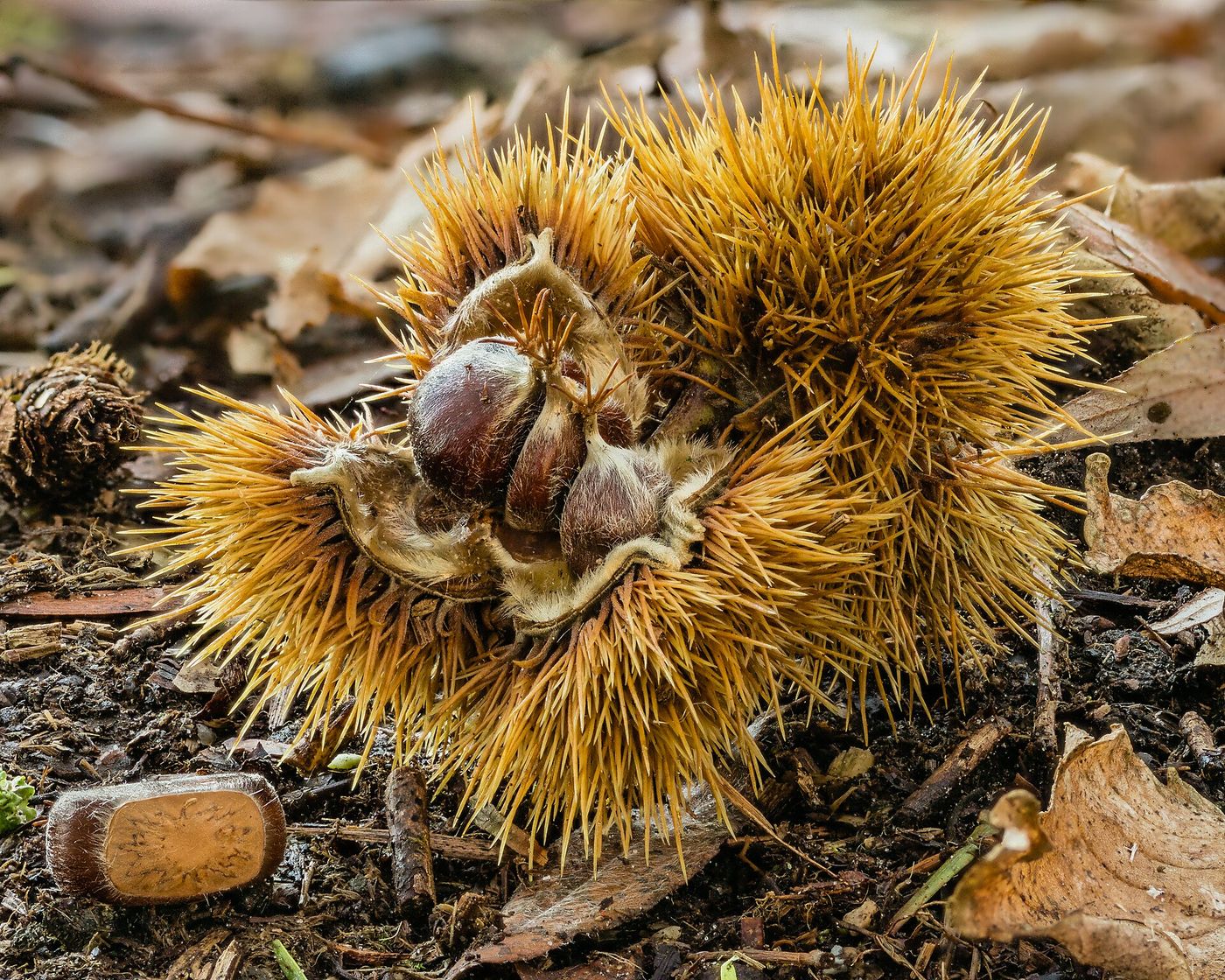
In a 12-acre orchard on the edge of the Weald, Peter Lascelles is standing under a tree that has just dropped something the size of a golf ball on his head. “That’s a Marigoule,” he says, picking it up and splitting the spiny husk with his thumb to reveal three glossy brown nuts. “French variety. First decent crop off it in six years. I have never seen a season like this one.”
Lascelles, 61, a former surveyor, planted 400 sweet chestnut trees on former apple ground near Tenterden in 2013 in what he admits most of his neighbours regarded as a late midlife crisis. This year, for the first time, he expects to harvest more than six tonnes, and he is not alone. Growers across Kent, Sussex, Devon and Herefordshire are reporting their best season in at least a decade after a wet spring swelled the trees and a long, warm September ripened the nuts early.
The sweet chestnut has grown in Britain since the Romans, and its timber once supported an entire industry of hop poles and fencing in the south-east. But as a food it has almost vanished from the national diet, surviving mostly as a vacuum-packed import at Christmas and a vaguely remembered street-corner smell. Britain imports around 5,000 tonnes a year, chiefly from Italy, Spain and Portugal. Domestic commercial production, until recently, was close to zero.
That is slowly changing. A loose association of about 40 growers now farms perhaps 200 hectares, most of it planted in the past 15 years with grafted European cultivars that produce bigger, sweeter and easier-peeling nuts than the native trees in old parkland. Yields remain tiny by Mediterranean standards, and the market is almost entirely direct: farm shops, farmers’ markets, a handful of restaurants and, increasingly, online orders from people who have discovered that a fresh chestnut tastes nothing like a tinned one.
“People think of them as a Christmas thing, which is mad, because by Christmas they’ve been in a cold store for two months,” says Jess Hollingbery, who grows chestnuts alongside cider apples near Ledbury and sells to three Birmingham restaurants. “October is when they’re actually good. Fresh, they’re sweet and almost crunchy. You can eat them raw. Roasted, they’re the best thing you’ll put in your mouth this month.”
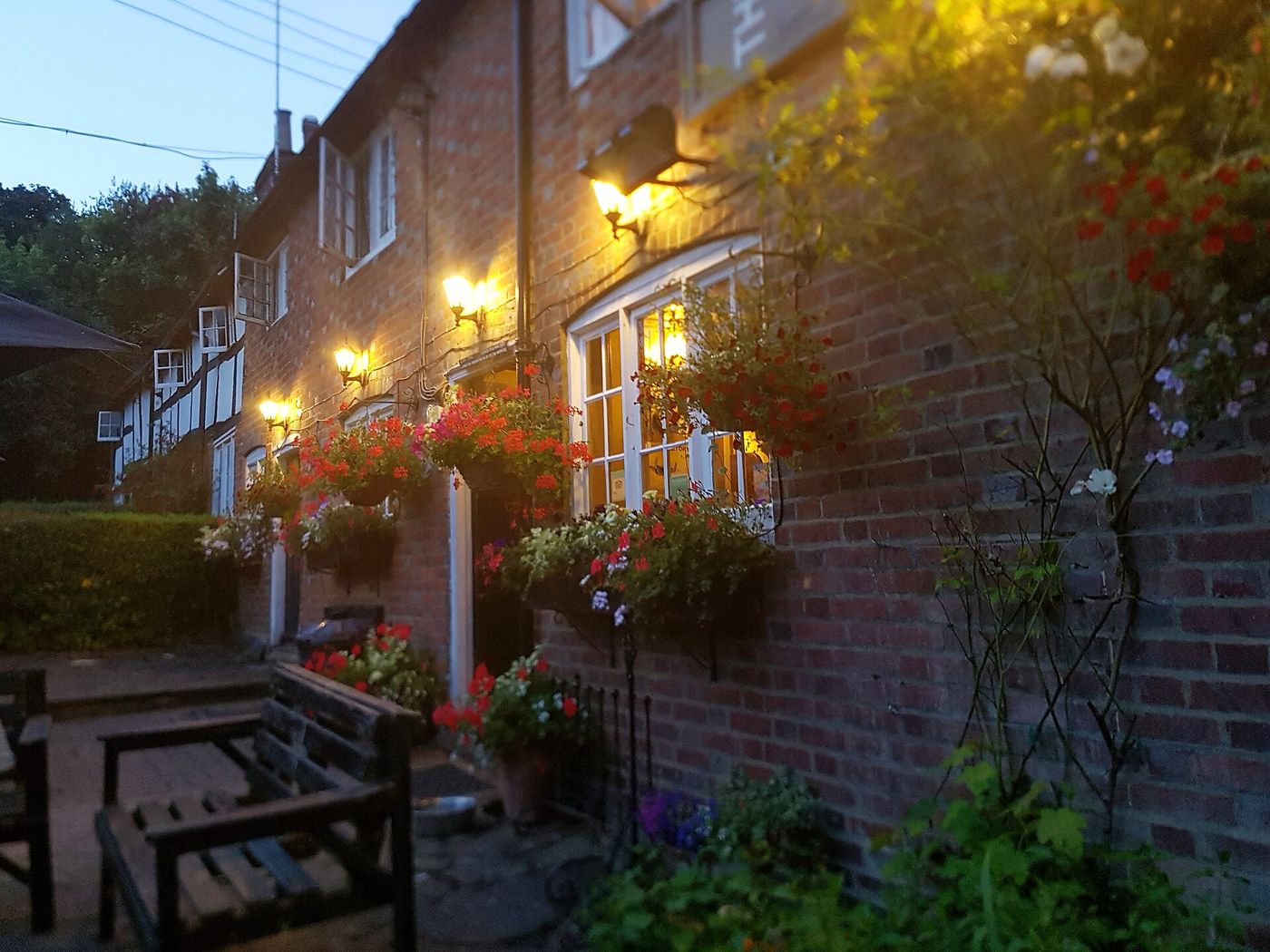
At the Hare & Hounds near Rye, chef Marcus Oduya has put Lascelles’ chestnuts on the menu in a soup with smoked bacon and in a flour he mills himself for a dense, dark tart. “The flavour is completely different from the imports,” he says. “Earthier. Less sugary. You can taste the tree.” His tip for home cooks: score the shells, roast at 200C for 20 minutes, wrap in a tea towel for five minutes, then peel while still warm. “Do them cold and you’ll want to throw them at the wall.”
Lascelles, who will spend most of October on his knees under the trees with a bucket, is cautiously hopeful that the harvest will bring new growers in. “It takes seven years to get a crop. Nobody’s getting rich,” he says. “But there are a lot of orchards in this country doing nothing much, and these trees will outlive all of us.”
Sign up to First Edition
Our morning email breaks down the key stories of the day, telling you what's happening and why it matters.
Privacy notice: newsletters may contain info about charities, online ads and content funded by outside parties.