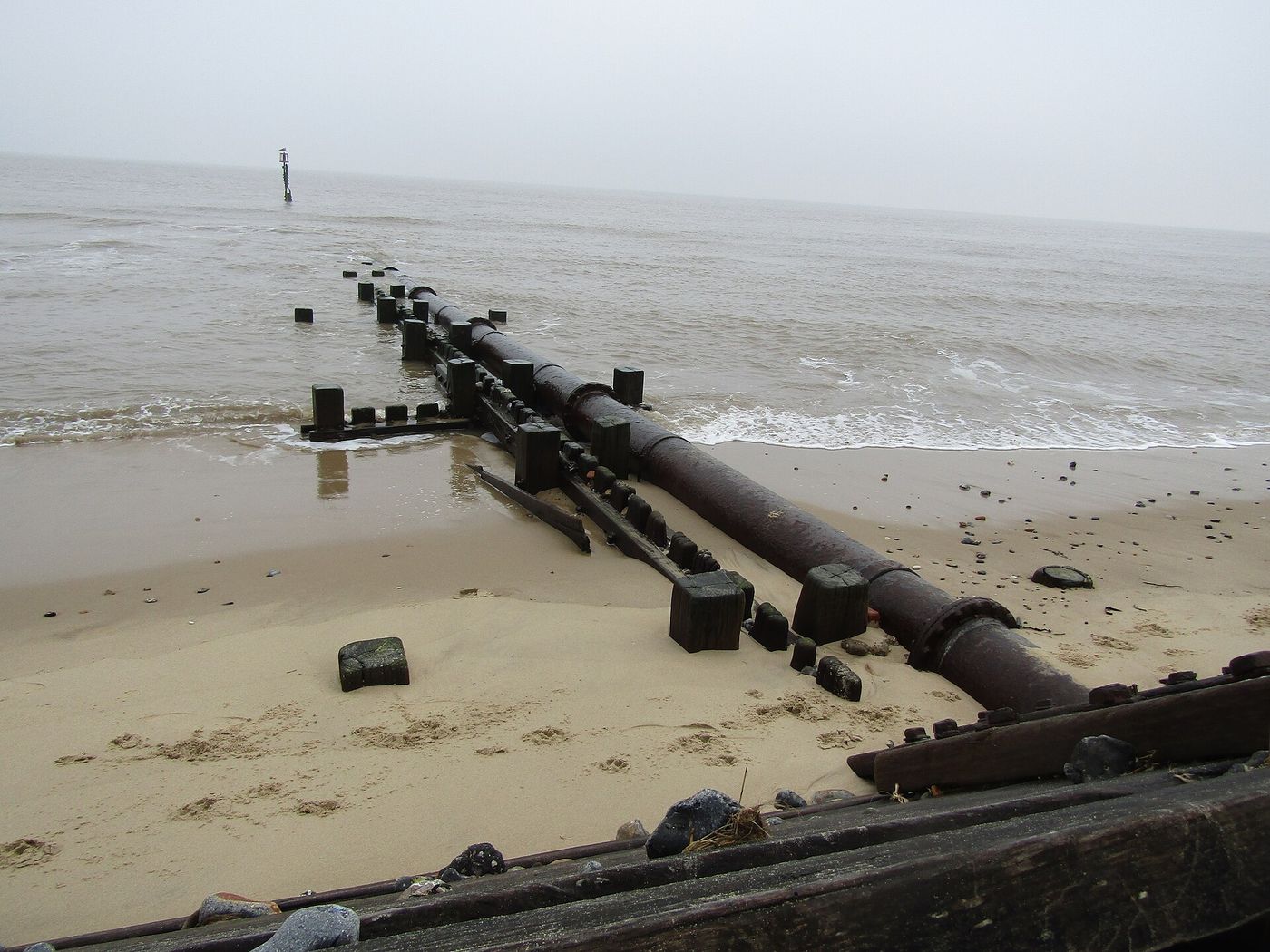
Norfolk council approves £18m plan to move 40 homes back from crumbling cliffs
First managed relocation scheme of its kind in England follows a winter in which 11 metres of cliff were lost at Happisburgh
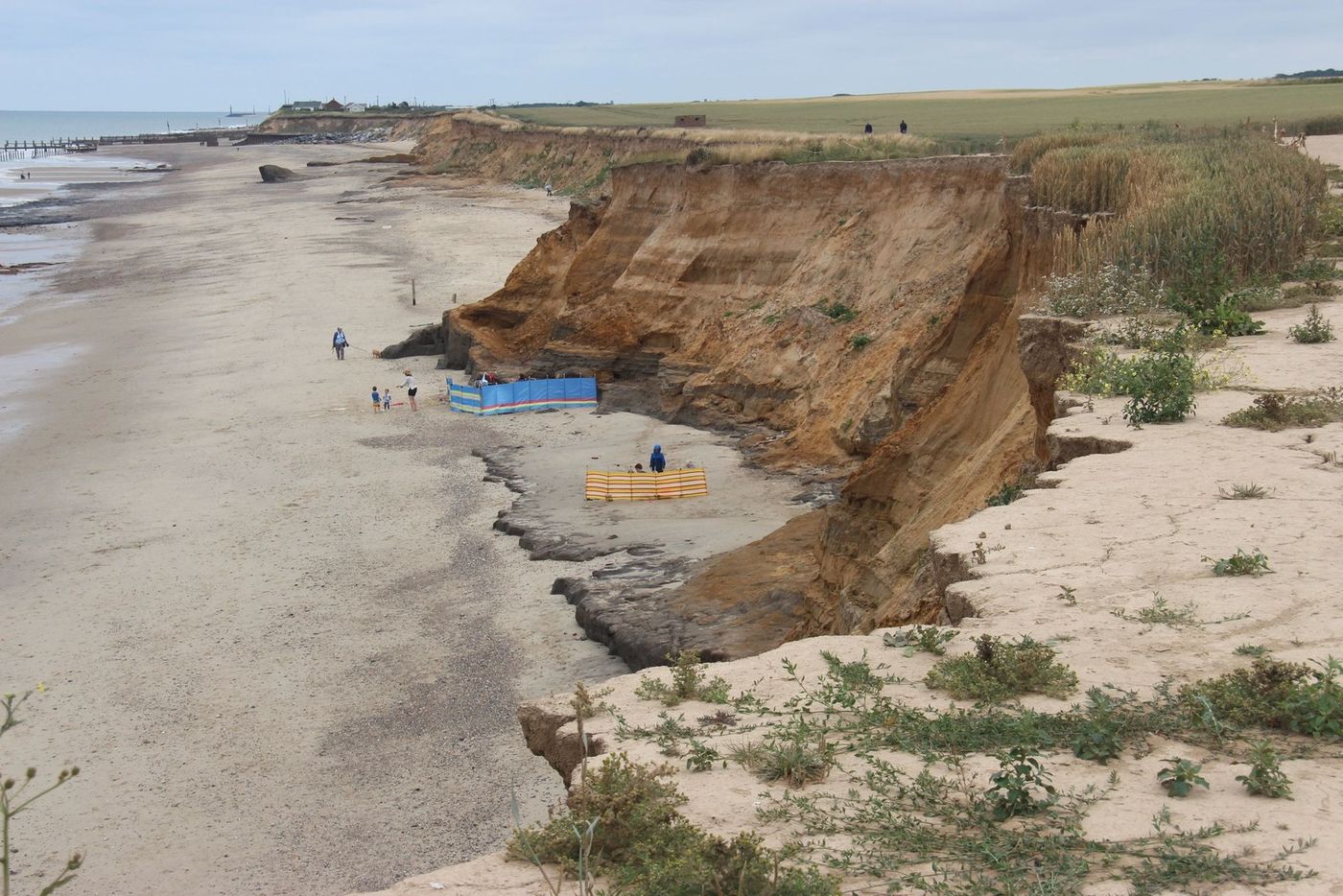
Forty households on the north Norfolk coast are to be offered new homes inland under an £18m scheme approved on Friday, the first time an English council has agreed to fund the wholesale relocation of a community rather than defend it from the sea.
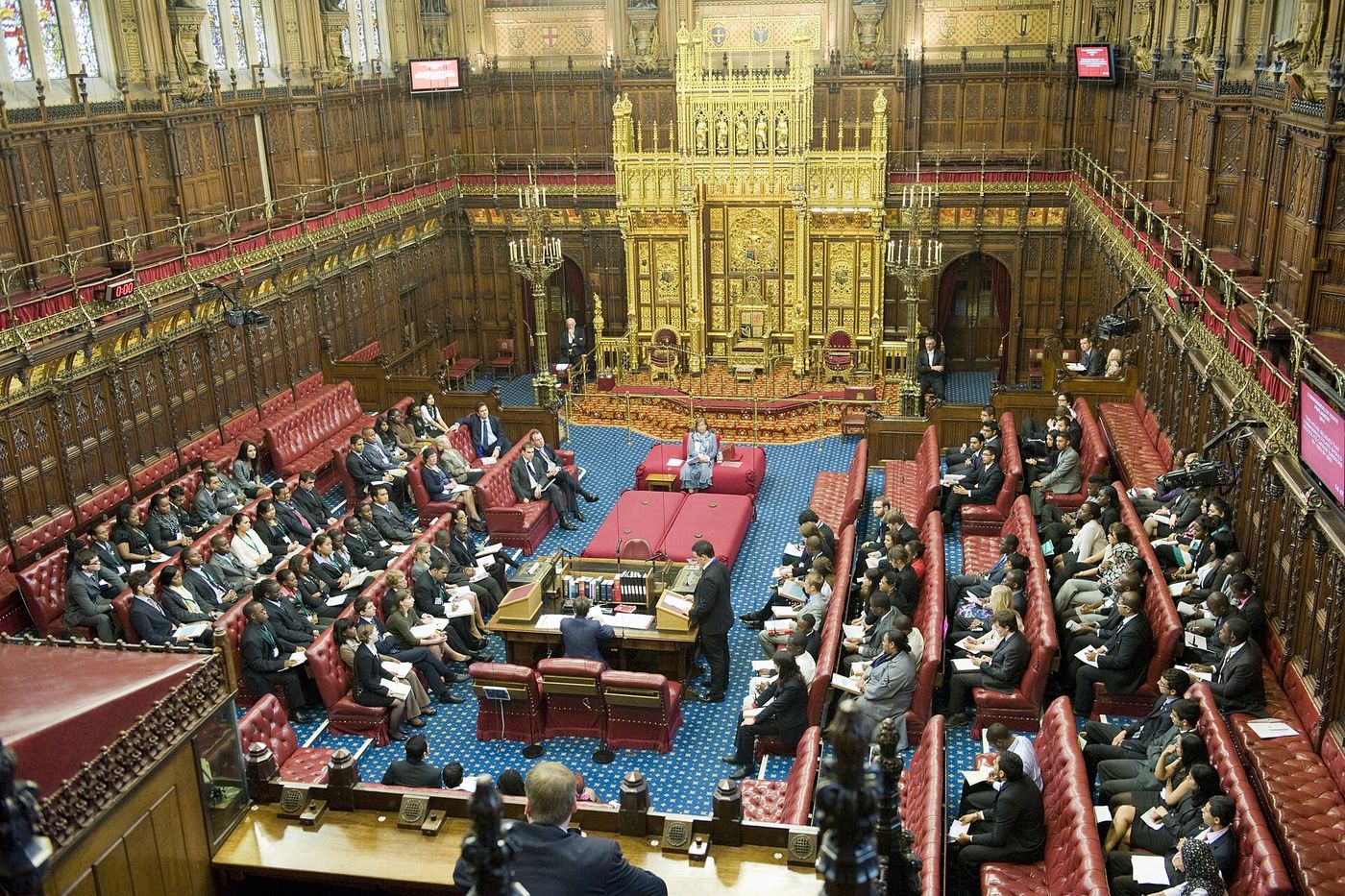
North Norfolk district council voted 31 to 6 to adopt the plan after a winter in which storms removed up to 11 metres of cliff at Happisburgh and left two bungalows on Beach Road within four metres of the edge. Engineers told councillors that a further 60 metres of land, including the lane that serves the village’s lifeboat station, is likely to be lost within 25 years.
Under the scheme, residents whose homes are expected to fall within 15 years will be offered plots on a council-owned site on the landward side of the B1159, with the local authority meeting the gap between the near-worthless value of a clifftop property and the cost of rebuilding. The money comes from a £36m coastal transition fund set up by the Treasury in 2024 and from the sale of agricultural land the council already owns.
“We have been honest with people for a long time that we cannot hold this line,” said Cllr Judith Mowbray, the council’s cabinet member for coast. “What we have never been able to do before is give them somewhere to go. This does that. It is not everything, but it is a great deal more than a letter telling you your house is condemned.”
Keith Ambler, 71, a retired marine engineer who has lived on Beach Road since 1998, said he had watched the garden of his neighbour’s house disappear in a single night in January. “The surveyor came out and told me I had maybe eight winters,” he said. “I would rather go on my own terms than wait for the fire brigade to come and tell me to leave with a bin bag.”
Not everyone is persuaded. A residents’ group representing 14 homes further along the cliff has argued that the money would be better spent on rock armour, and says the scheme amounts to the council “managing our exit for its own convenience”. The Environment Agency has said hard defences at Happisburgh would cost more than £40m and would accelerate erosion at Walcott and Bacton to the north.
Coastal scientists say the decision will be watched closely. About 7,000 properties in England are at risk from erosion over the next century, according to the agency, with the sandy cliffs of Norfolk, Suffolk and Holderness in East Yorkshire losing ground fastest. Dr Alison Kerridge, a geomorphologist at the University of East Anglia, said: “This is the first time a council has treated retreat as a plan rather than a failure. Others will have to follow, and they will want to see how it goes.”
The first families are expected to move in late 2027. The council said it would not use compulsory purchase powers and that nobody would be forced to leave before their home became unsafe.
Sign up to First Edition
Our morning email breaks down the key stories of the day, telling you what's happening and why it matters.
Privacy notice: newsletters may contain info about charities, online ads and content funded by outside parties.